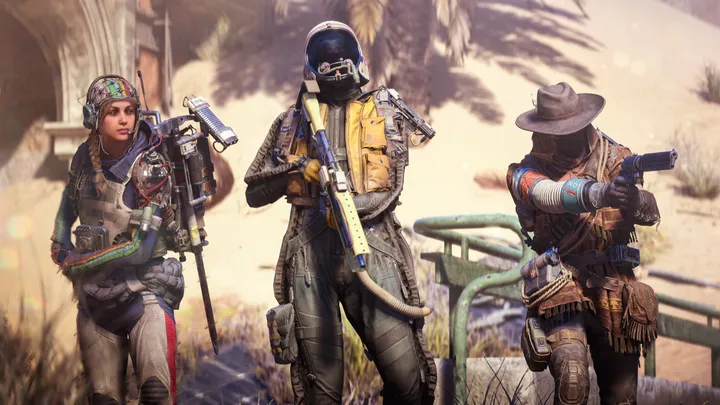
Aggressive trio squads can wreck a peaceful solo run in Arc Raiders, and until this week, that damage carried over.
Solo matchmaking used to inherit the aggression score built up in duos and trios, punishing players who just wanted a calm PvE round after a sweaty trio fight.
Update 1.36.0 promises to fix that by splitting the Arc Raiders matchmaking system into three separate tracks. One creator put the claim to the test, live, before and after the change - here’s what actually happened.
Table of Contents
- What Changed in Arc Raiders Matchmaking (Update 1.36.0)
- How Arc Raiders Matchmaking Actually Works
- Putting the New Matchmaking to the Test
- The Catch: Why the First Test Looked Broken
- The Corrected Test: Does It Actually Work?
- What This Means for How You Play
- Other Changes in Update 1.36.0
- Key Takeaways
- FAQ
What Changed in Arc Raiders Matchmaking (Update 1.36.0)
Update 1.36.0 splits Arc Raiders’ matchmaking ratings by squad size.
Solo, duo, and trio playstyles are now tracked as three separate scores instead of one shared rating, so aggressive trio sessions no longer push solo lobbies toward more PvP.
Embark confirmed the change directly in the patch notes.
Previously, playing PvP-focused in a trio could push solo matchmaking toward more hostile lobbies too, meaning matchmaking needed a little time to adjust whenever you switched squad size.
With 1.36.0 live, that overlap is gone. The patch dropped on July 7, 2026, alongside Trials Season 5 and an Arc Raiders x THE FINALS crossover event.
How Arc Raiders Matchmaking Actually Works
Arc Raiders’ matchmaking isn’t a simple split between friendly and aggressive lobbies.
It runs on a sliding scale, and where you land depends on how you actually behave in previous rounds, not just whether you’ve ever fired at another Raider.
Embark’s official breakdown of the system, published in May, explains that playstyle sits on a continuum. Some Raiders are almost always cooperative, some are consistently PvP-focused, and most fall somewhere in between depending on the round.
Two adjustments feed into that score: defending yourself no longer counts the same as starting a fight, and low-activity rounds, like spawning in and immediately extracting, carry less weight than rounds where you’re actually making choices.
This is the system that 1.36.0 builds on. Before the update, this sliding scale was a single shared score across solo, duo, and trio. Now it’s three.
Putting the New Matchmaking to the Test
A content creator decided to test the claim directly instead of taking Embark’s word for it, recording the process on video.
The test started with a baseline: a solo raid to confirm what a typical peaceful lobby looked like under his account.
That baseline held up. In the opening solo run, another Raider actually offered to share a key room rather than fight over it, the kind of interaction that only happens in low-aggression lobbies.
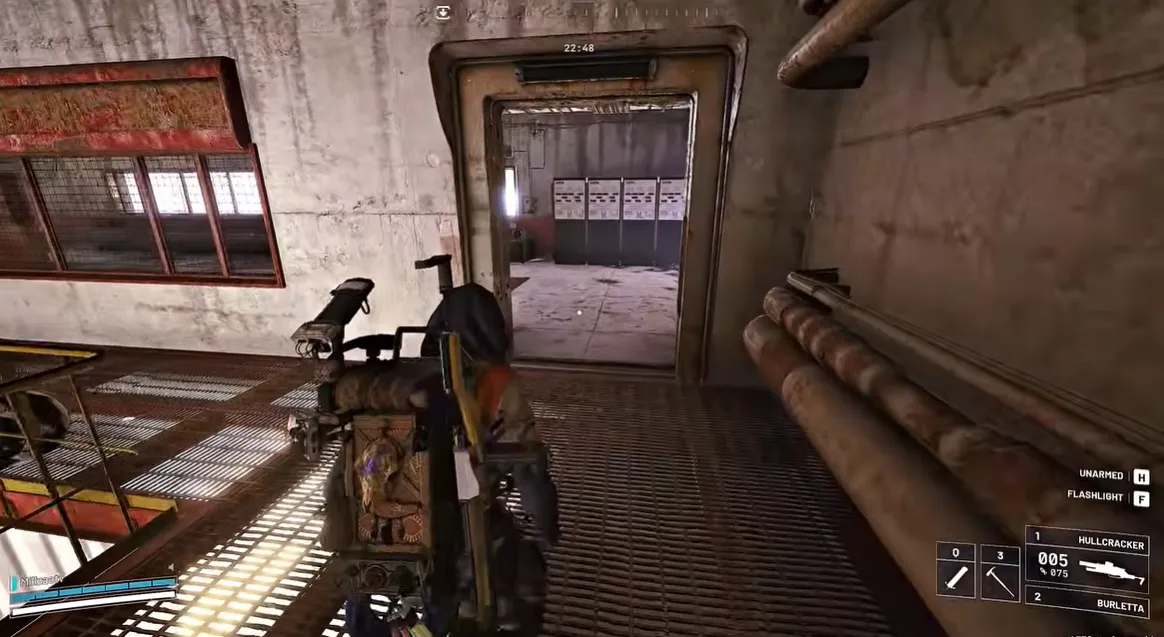
From there, the creator switched to a trio and played about as aggressively as Arc Raiders allows.
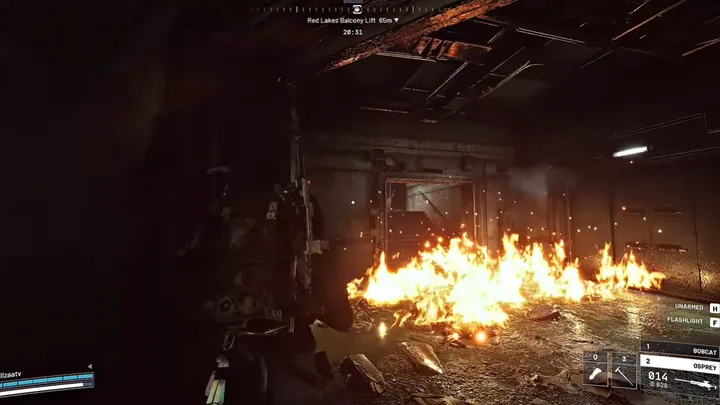
Kitted out with a Bobcat 4 and an Osprey 4 (both top picks in our PvP weapons tier list), he shot the first enemy squad spotted from roughly 300 meters, then engaged multiple more fights across the raid, ending in a full team wipe against a three-person squad using smoke grenades.
With a clearly aggressive trio session logged, the next step was to jump straight back into a solo lobby and see whether that aggression bled through.
The Catch: Why the First Test Looked Broken
The first attempt at retesting solo didn’t go as expected.
After the aggressive trio session, the next few solo lobbies were noticeably less friendly than the usual baseline, including a couple of unprompted kills from other Raiders. On the surface, that looked like proof the new system wasn’t working.
Before drawing that conclusion, the creator went back and reread the actual patch notes, and found the mistake in his own test.
Update 1.36.0 tracks playstyle by the squad size you queue as, not by who you happen to fight while queued. Playing aggressively in a trio against other trios does not automatically affect solo matchmaking.
What affects it is playing aggressively while queued solo, which is a different thing entirely from soloing into a trio lobby.
Because the test hadn’t actually isolated the right variable, the results were inconclusive rather than a system failure.
To fix this, the creator spent over 20 raids playing cooperatively again to reset his rating, then reran the test correctly, this time using an actual trio squad with two teammates instead of testing as a solo against trios.
The Corrected Test: Does It Actually Work?
With the methodology corrected, the creator queued into Stella Montis as an actual trio squad and got exactly the aggressive, PvP-heavy lobby that mode tends to produce.
That confirmed the trio side of his rating was accurately tracking hostile play.
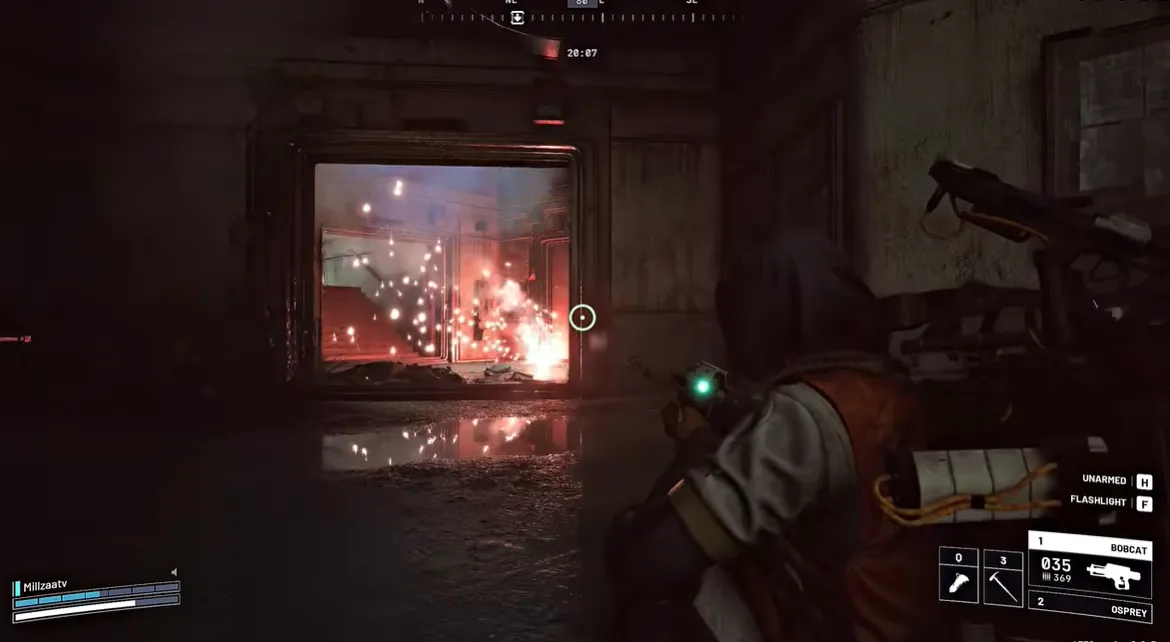
The real test came next: jumping back into a solo lobby afterward. This time, the result matched what Embark’s patch notes promised.
The solo Matriarch event that followed was cooperative from the start, with other Raiders sharing loot, reviving downed players, and focusing fire on the matriarch instead of each other. No hostile encounters showed up in that session.
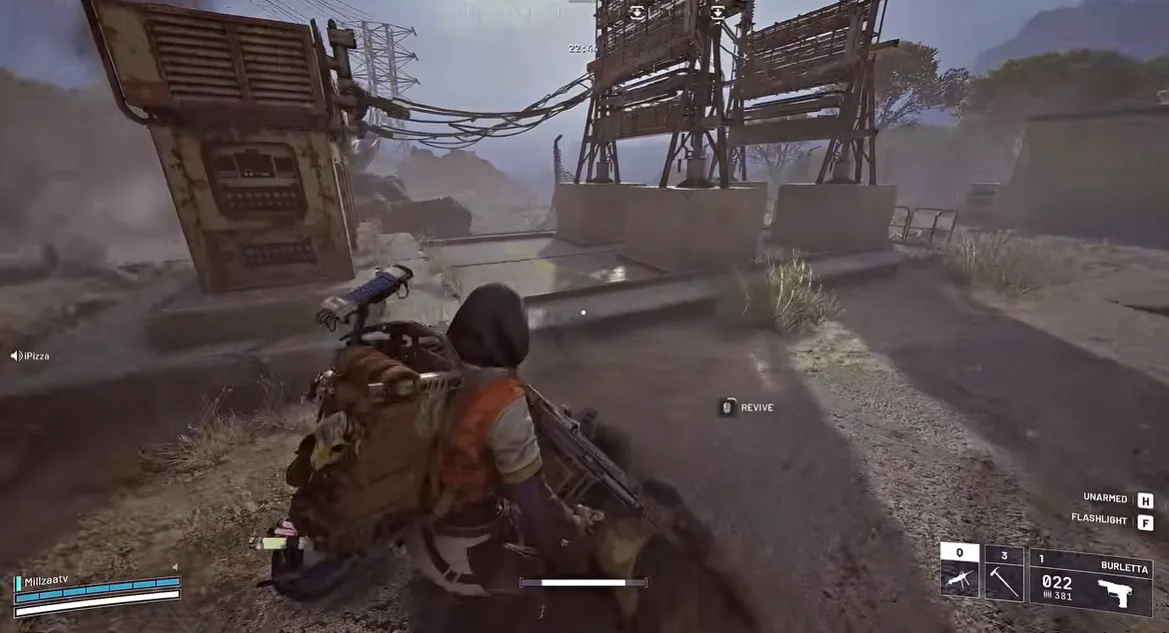
Based on that corrected test, the squad-size split appears to work as intended. Aggressive trio play, when actually queued as a trio, does not carry over into solo matchmaking.
What This Means for How You Play
If you want consistently friendly solo lobbies, queue solo and play accordingly.
Under 1.36.0, your solo rating only reflects how you behave in solo rounds, so a rough trio session with friends won’t follow you back into a peaceful PvE run.
If you’re chasing more PvP, the fastest way to get it is to queue with a full squad and play aggressively in that mode specifically.
Squad fill, which pairs you with random teammates when you don’t have a full group, is also worth toggling on if you want your duo or trio queue to lean into more combat-focused lobbies.
One thing to keep in mind: the patch notes note a short adjustment period after 1.36.0.
Existing playstyle history is being split into three separate tracks starting from the update, so don’t expect an instant, perfectly clean reset in your very next few raids.
Other Changes in Update 1.36.0
Matchmaking wasn’t the only change in this patch. A few other updates worth knowing about:
- ARC Turbine loot value has been significantly increased, making them more worthwhile to fight
- ARC Turbines can no longer randomly despawn immediately after spawning in
- Embark’s Denuvo anti-cheat rollout is now complete across the game
- An Arc Raiders x THE FINALS crossover event is live, letting players unlock the Azimuth outfit and Archeologist backpack bundle by completing Contracts in THE FINALS
- Higher-value items are now prioritized on Raider Den shelves
- Weapons dropped on the ground now display their installed mods
Key Takeaways
- Update 1.36.0 (July 7, 2026) splits Arc Raiders matchmaking into three separate tracks: solo, duo, and trio
- Aggressive trio play no longer bleeds into solo lobby matchmaking, and vice versa
- The system tracks the squad size you’re queued as, not who you happen to fight while in that squad size
- A live test confirmed the split works once the methodology correctly isolates squad size rather than opponent type
- Expect a short adjustment period as playstyle history splits into three separate ratings
- Want more PvP? Queue as a duo or trio and play aggressively there. Want peaceful runs? Stay solo
FAQ
What does the Arc Raiders 1.36.0 matchmaking update actually do?
It splits your playstyle rating into three separate tracks, one each for solo, duo, and trio play. Previously, all three shared a single combined score. Now, aggressive play in one squad size doesn’t affect matchmaking in the others.
Does killing trio squads while playing solo affect my solo matchmaking?
No. What affects your solo rating is how you behave while queued solo, not who you fight. A solo player who kills trio squads is still playing solo, so that behavior counts toward the solo track, not the trio one.
When did the new matchmaking system release?
Update 1.36.0 went live on July 7, 2026. It shipped alongside Trials Season 5, Expedition 4, and an Arc Raiders x THE FINALS crossover event.
Does duo matchmaking track separately too, or just solo and trio?
Yes, Embark’s patch notes confirm all three squad sizes are tracked independently. Duo hasn’t been specifically live-tested the way solo and trio have, so treat that part of the claim as officially confirmed but not yet independently verified.
How do I get matched into more PvP-focused lobbies on purpose?
Queue with a duo or trio and play aggressively while in that mode. Since aggression is now tracked per squad size, playing hostile specifically as a group is what shifts your duo or trio rating toward more combat-heavy lobbies.
What is squad fill in Arc Raiders?
Squad fill automatically pairs you with random teammates when you queue without a full group. Toggling it on for duo or trio queue is one way to consistently land in group lobbies without needing friends online.
Will my matchmaking rating reset instantly after the update?
Not instantly. Embark’s patch notes note a short adjustment period, since existing playstyle history is being split into three separate tracks starting from the update. Expect it to take a handful of raids to fully settle.
Is Arc Raiders matchmaking also based on skill?
It’s mixed. Embark’s CEO has described matchmaking as skill-based first, but a design lead later clarified in a separate interview that the game doesn’t use skill-based matchmaking. What’s consistently confirmed is that Arc Raiders doesn’t use gear-based matchmaking, and that squad-size-specific playstyle tracking is real as of update 1.36.0.
What other changes shipped in update 1.36.0?
Alongside the matchmaking split, 1.36.0 significantly increased ARC Turbine loot value, completed Embark’s Denuvo anti-cheat rollout, and added a THE FINALS crossover event. It also fixed several terrain and UI bugs.
Does switching squad size mid-session affect matchmaking?
Matchmaking is evaluated each time you queue, based on the squad size you queue as for that specific raid. Switching from solo to trio between raids applies your trio-specific rating for that next raid, not a blended score.